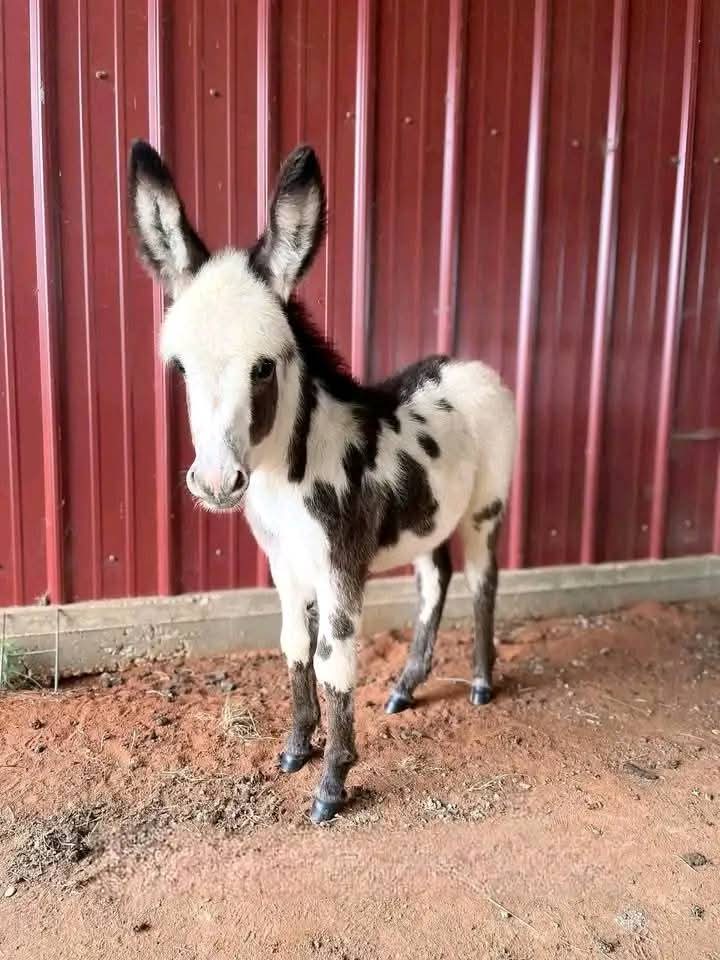
🐄 Miniature Bovine: The Small-Sized Livestock Making a Big Impact
Miniature bovine and wondering what all the fuss is about, you’re not alone. These small but mighty cattle are quickly gaining popularity among hobby farmers, homesteaders, and animal lovers looking for a practical yet adorable alternative to full-sized cattle. Whether you want a compact dairy cow, a pasture companion, or a charming addition to your farmstead, miniature bovines are proving to be a smart and lovable choice.
In this article, we’ll break down what miniature bovines are, explore their benefits, popular breeds, and how to care for them.
📌 What Is a Miniature Bovine?
A miniature bovine is a scaled-down version of a standard cow. While full-sized cattle can stand over 5 feet tall at the shoulder and weigh over 1,000 pounds, miniature bovines usually measure under 48 inches and weigh between 500 and 800 pounds, depending on the breed and classification (some micro-minis are even smaller).
Despite their reduced size, miniature bovines function just like their larger counterparts. They can provide milk, be bred, help manage pastureland, or serve as pasture pets. Many people are drawn to mini bovines for their manageable size, gentle demeanor, and low maintenance requirements.
🌟 Why Choose a Miniature Bovine?
Miniature cattle aren’t just cute—they’re practical, sustainable, and ideal for a variety of farming and personal situations. Here are some reasons why more people are turning to miniature bovines:
1. Space-Efficient
One of the biggest benefits of raising a miniature bovine is how little land they need. While a full-size cow might need several acres, a mini cow can thrive on just ½ to 1 acre of quality pasture. This makes them ideal for small properties and backyard farms.
2. Lower Feed Costs
Miniature bovines eat roughly one-third the amount of feed a standard cow does. That means less hay, less grain, and a much more affordable livestock investment over time.
3. Easier to Handle
Their small size makes miniature bovines far easier to work with than full-sized cattle. They’re less intimidating, safer around children, and can be halter-trained with relative ease. This is why many families and first-time farmers choose them.
4. Great for Milk and Meat (in Small Quantities)
Some miniature bovine breeds, like Mini Jerseys or Dexters, are still great milk producers—offering 1 to 3 gallons a day, just enough for household use. Others are dual-purpose and can also be raised for small-scale meat production.
5. Adorable & Bondable
Let’s face it: they’re downright adorable. Their smaller size makes them look almost toy-like, and many develop strong bonds with their owners. They’re social animals that can become part of the family with regular interaction.
🐮 Popular Miniature Bovine Breeds
If you’re considering adding a miniature bovine to your property, you’ll want to choose the breed that best fits your goals. Here are a few popular types:
• Miniature Highland
Fluffy, friendly, and cold-hardy, these tiny versions of the Scottish Highland cow are known for their long hair and striking appearance. They’re great pasture pets and do well in cold climates.
• Mini Jersey
A favorite among small-scale dairy enthusiasts, Mini Jerseys are known for their excellent milk production and sweet personalities.
• Dexter
Dexters are a heritage breed from Ireland that are naturally small and incredibly versatile. They are dual-purpose, providing both milk and beef, and are known for their hardiness and easy calving.
• Mini Hereford
With their classic red and white coloring, Mini Herefords are ideal for small beef operations or for those wanting a calm, docile breed.
• Zebu
Zebu are tropical miniature cattle with a humped back and heat tolerance. They are low maintenance and well-suited for warmer climates.
🛠️ How to Care for a Miniature Bovine
Caring for a miniature bovine isn’t drastically different from full-size cows—but it’s definitely easier.
Shelter & Fencing
Mini cows don’t need elaborate barns. A simple three-sided shelter will do in most climates. Fencing should be secure but doesn’t need to be as tall or heavy-duty as with larger cattle.
Feed & Water
Mini bovines thrive on quality pasture grass and hay, supplemented with minerals and occasional grain if needed. Always ensure access to clean water.
Companionship
Cows are herd animals, and a solitary miniature bovine may become lonely. Ideally, keep them in pairs or with other friendly livestock.
Health & Vet Care
Regular vaccinations, deworming, and hoof trimming are essential. Miniature bovines also benefit from periodic grooming, especially if they have long coats like the Highland.
💲 What Does a Miniature Bovine Cost?
Prices vary by breed, lineage, and location. On average, you can expect to pay:
- $1,500 – $4,000 for most miniature bovine breeds
- $5,000+ for specialty breeds or micro-minis
- Additional costs include shelter setup, fencing, feed, and routine vet care
Always purchase from a reputable breeder who provides health records, photos, and ideally allows a farm visit.
🧠 Final Thoughts
A miniature bovine offers all the charm and utility of a standard cow without the size, space, or cost requirements. Whether you’re interested in fresh milk, pasture maintenance, or simply having a fluffy friend in your yard, these small cattle are a big win for modern homesteaders.
Before buying, do your research—understand the breed, meet the animal if possible, and make sure you’re equipped for the responsibilities of livestock ownership. With the right setup, a miniature bovine can bring joy, productivity, and personality to your property for many years to come.